 List (.pdf)






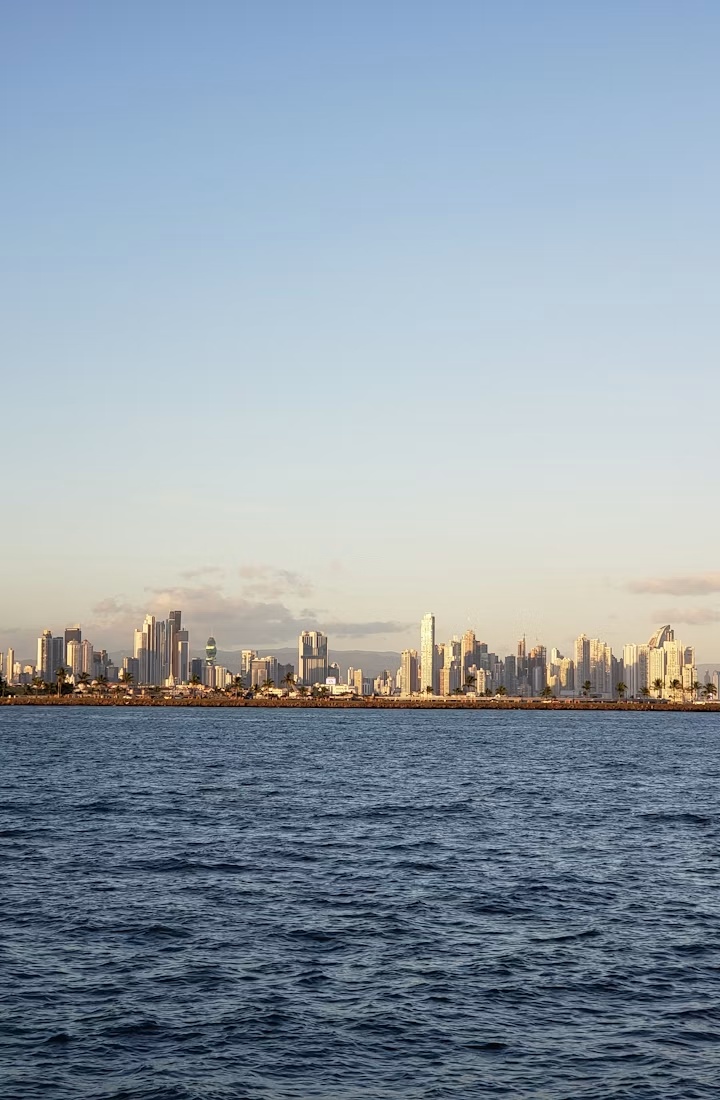
The definitions should not be confused offshore companies and offshore zones: offshores are commonly used to describe companies operating outside the country of registration — in offshore zones. Offshore zones are countries with zero or reduced taxation for foreign companies registered in those states. In international business practice, the term is also quite often used offshore financial centres (offshore financial centre), or simply offshore centres. Another common term is — offshore jurisdictions.
Offshore zones do not have a single and unambiguous classification. However, there are several criteria that an entrepreneur should take into account in order to have a complete understanding of the restrictions imposed by particular jurisdictions on the commercial activities of foreign companies.
Offshore zones are taken into account in lists of the IMF (International Monetary Fund) and national banks of various countries. In Europe — the EU central bank. In Ukraine — the Cabinet of Ministers.
All classifications divide offshore jurisdictions into three groups according to two main criteria: the possibility of identifying the real owners and the requirements for reporting and the tax regime.
The first type consists of zones that do not require reporting and provide a high degree of confidentiality for the real owners. More than one third of all existing offshore companies are registered in countries of this group. The main criterion these zones impose for company registration is the absence of commercial activity in their jurisdiction.
Offshore jurisdictions of the first group: Seychelles, Panama, BVI — British Virgin Islands, Belize. The cost of incorporation generally includes the minimum service required to maintain the secretarial office. Offshore companies are opened quite quickly: on average, within two weeks.
The second group consists of zones where fairly strict control is exercised over company activities, but very significant tax benefits are provided. More serious requirements for offshore companies increase the level of business confidence, making it possible to find more substantial partners (banks and multinational companies prefer not to deal with organisations registered in offshore zones of the first type).
Offshore jurisdictions of the second group: ( Bahamas, Ireland, Gibraltar). Regardless of whether reporting is required in a particular country, information about entrepreneurs and firms is subject to registration.
The third group consists, in essence, of jurisdictions that are not offshore zones at all, because foreign companies in these countries are allowed to conduct commercial activity, with significant tax benefits. The term “onshore” is often used for firms registered in these countries.
Offshore jurisdictions of the third group: (Cyprus, USA, England)In the USA, for example, non-residents may avoid federal taxes on activity not connected with operations inside the country. If the conditions are breached, the company loses its “offshore” status. England permits offshore schemes: for example, an office may be in the United Kingdom while the branch through which operations are conducted is in Cyprus. English taxes are fairly high, but with small profits they may be below the nominal 30%, or even approach 0 (for organisations with profits up to GBP 10,000). And then there is Cyprus itself. In light of changes to its legislation under pressure from the European Union, Cyprus is no longer as attractive as it was for the emerging Ukrainian business sector in the 1990s. However, the absence of double taxation for companies in international business is a significant argument in favour of choosing Cyprus as a jurisdiction for establishing a substantial business.